


In constrained coastal grids, new loads such as shore power or electrified equipment can be difficult to connect. Long-duration storage relieves congestion by charging when the grid is underused and discharging during peaks, reducing the need for network reinforcement.
Kemiwatt helps ports, terminals and industrial clusters use long-duration storage to reduce emissions, enable energy transition, manage grid constraints and create new revenue from existing assets. Kemiwatt’s organic flow batteries are designed for multi-hour storage and frequent cycling. They allow multiple applications to be combined on the same asset and to evolve over time as the energy mix and business models change. Example uses: Ports are at the heart of the energy transition. They must supply electricity to vessels at berth, cranes, cold warehouses and increasingly electrified mobility, while integrating more renewable generation. Kemiwatt’s long-duration storage helps ports to: By storing electricity in repurposed tanks, ports become more resilient, improve their sustainability, and boost their attractiveness to businesses. The energy transition frees capacity in many tank farms as fossil product volumes decrease. At the same time, renewable electricity needs to be stored at scale. For tank storage operators, this opens a unique opportunity: storing megawatt-hours of electricity as a liquid by leveraging their land, tanks and existing teams. With Kemiwatt, terminals can: By storing electricity in repurposed tanks, ports connect their historical expertise in liquid storage with their low-carbon future. Storage absorbs surplus solar or wind production on-site or nearby and delivers energy during demand peaks. This improves the utilisation of existing connections and facilitates power purchase agreements with renewable plants. By charging when electricity prices are low and discharging when they are high, Kemiwatt systems can generate additional revenue through arbitrage and grid services while contributing to local decarbonisation targets. Stored electricity can supply port operations, cold warehouses, industrial customers and e-mobility hubs around the terminal, helping them reduce emissions and secure local, low-carbon power.
Applications
Applications in ports and storage infrastructures.
Overview
A versatile platform for complex energy systems
Absorb and monetize surplus renewable generation and deliver it when needed
Reduce grid congestion and demand peaks and connection costs
Provide shore power and decarbonise port operations
Supply reliable power to neighbouring industries and e-mobility hubs
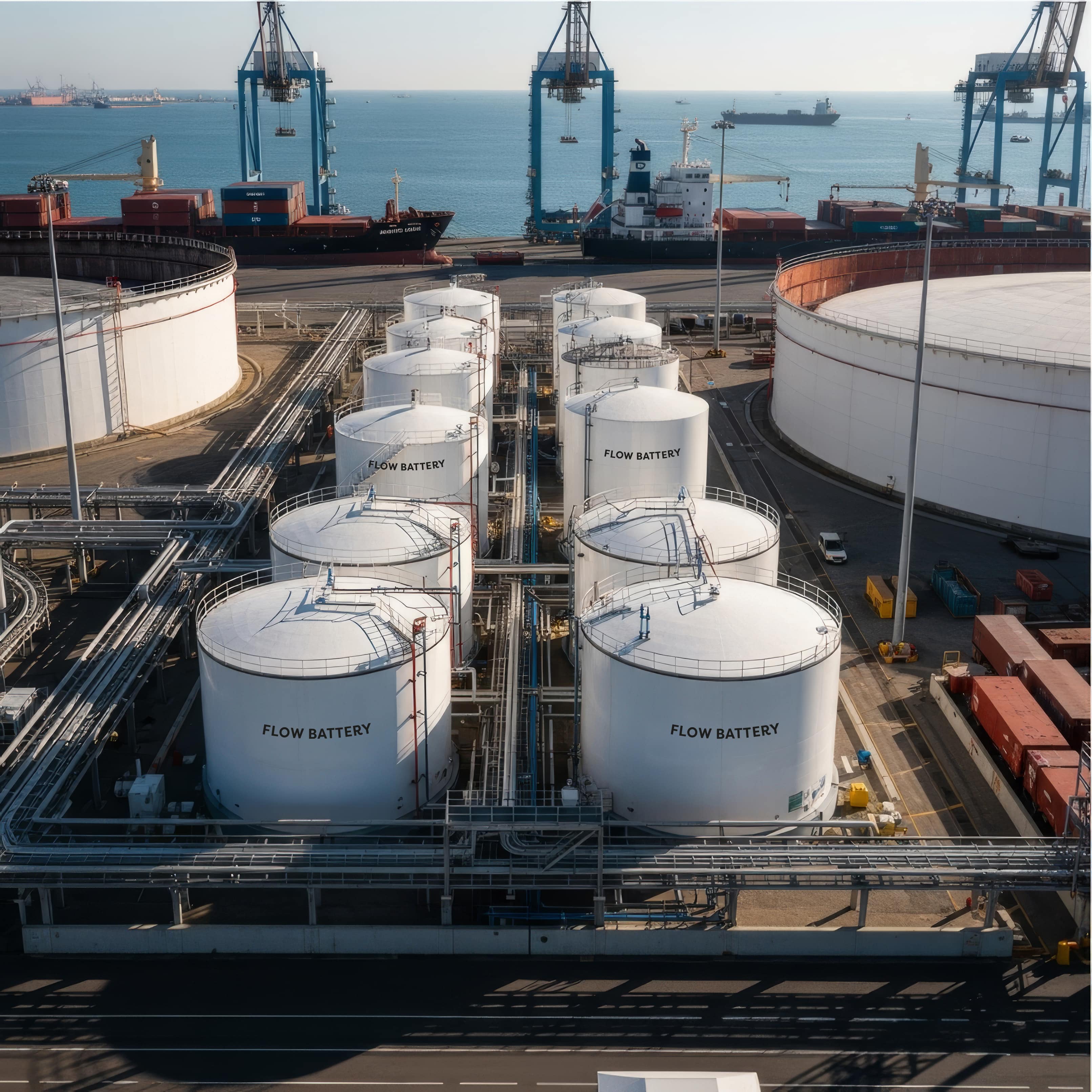

Powering the energy transition at port scale
Ports and terminals
Repurposing liquid assets for the energy transition
Tank storage operators
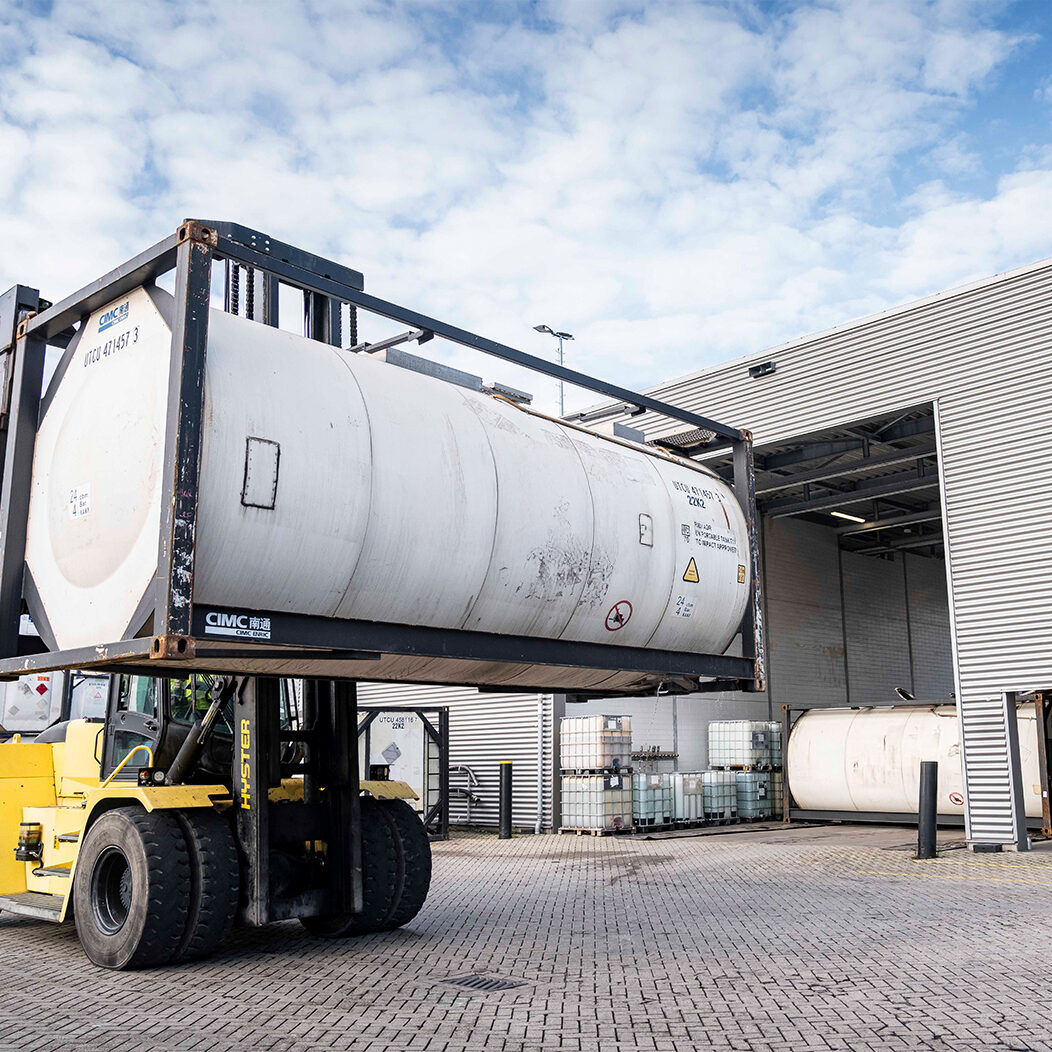
Where storage delivers immediate operational impact
Key use cases
Grid congestion relief
Renewable integration
Energy arbitrage and grid services
Decarbonising operations and neighbours
Contact us
Any question or Project? Let’s get started.