


Kemiwatt proposed an aqueous organic flow battery using existing tanks as electrolyte reservoirs. The system charges during low-price periods on the day-ahead or intraday market and discharges during peak-price intervals, allowing the operator to control energy costs and optimise consumption.
This section presents how Kemiwatt’s technology could be deployed with ports, tank storage operators and industrial partners. Each case study describes the context, the solution to be implemented and the expected benefits in terms of decarbonisation, grid optimisation and value creation. A port terminal in Northern Europe sought to reduce its dependence on expensive fixed-price electricity contracts. By switching to a variable market-indexed supply contract, the operator needed a storage solution capable of shifting consumption from high-price to low-price periods while avoiding grid congestion. A large cruise and cargo port needed to provide clean shore power to vessels at berth. Running auxiliary diesel generators was costly, emitted CO₂ and pollutants, and conflicted with emerging regulatory requirements. Kemiwatt proposed an aqueous organic flow battery providing long-duration discharge to supply ships’ auxiliary loads. The system charges during low-cost or low-demand periods and delivers stable, predictable power during vessel calls. A tank storage operator aimed to diversify revenue streams by entering the energy market while leveraging under-utilised tanks. With increasing market volatility in the Netherlands, long-duration storage became an attractive asset class. Kemiwatt proposed an aqueous organic flow battery directly connected to the site’s tank infrastructure. The system performs electricity arbitrage—charging during low-price periods and discharging during high-price peaks—while also providing grid services.
From context to solution and measurable benefits
Case Studies
Case Studie 1 – Port terminal
Long-duration storage for self-consumption (market-based charging)
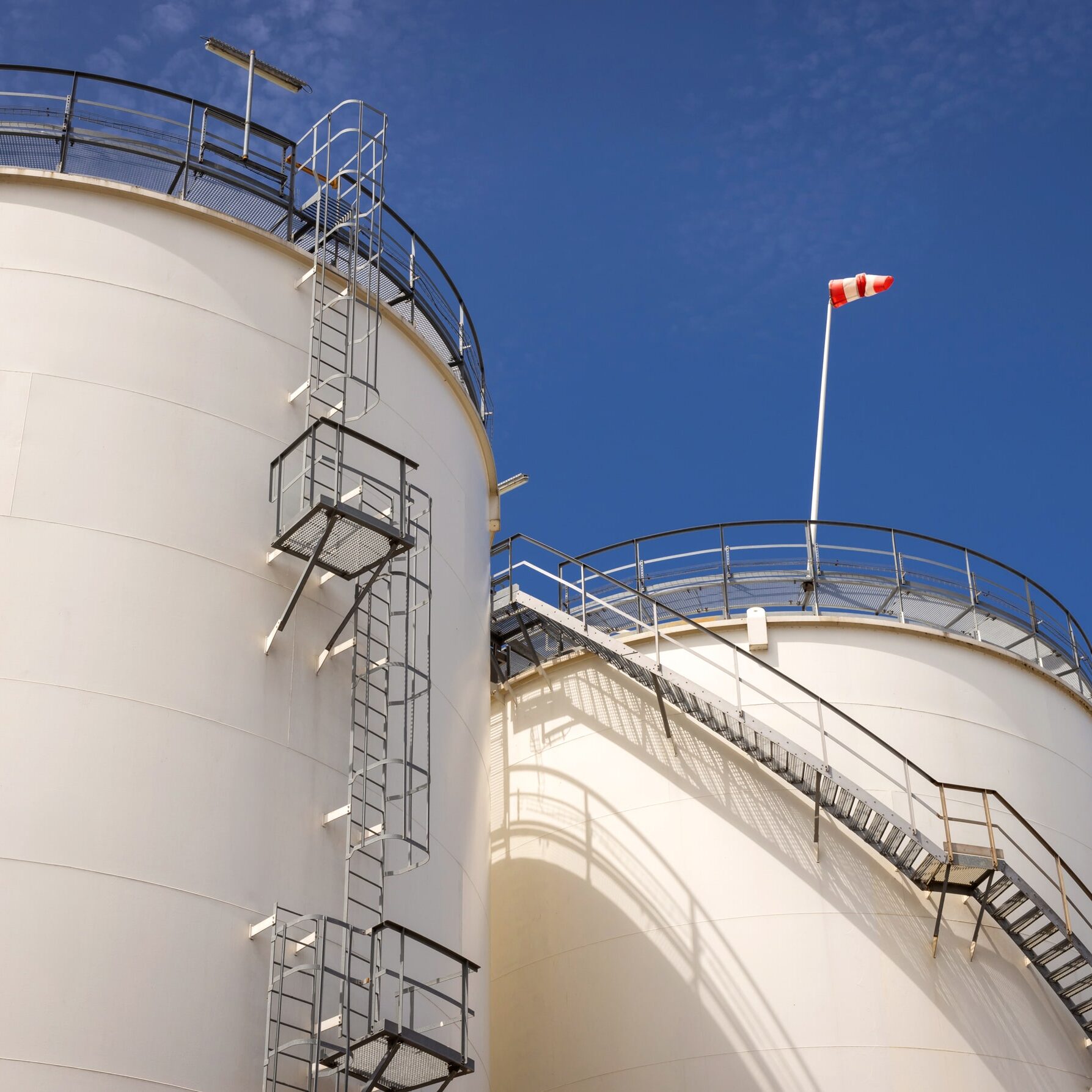
Key barriers to electrification and decarbonisation
Challenges
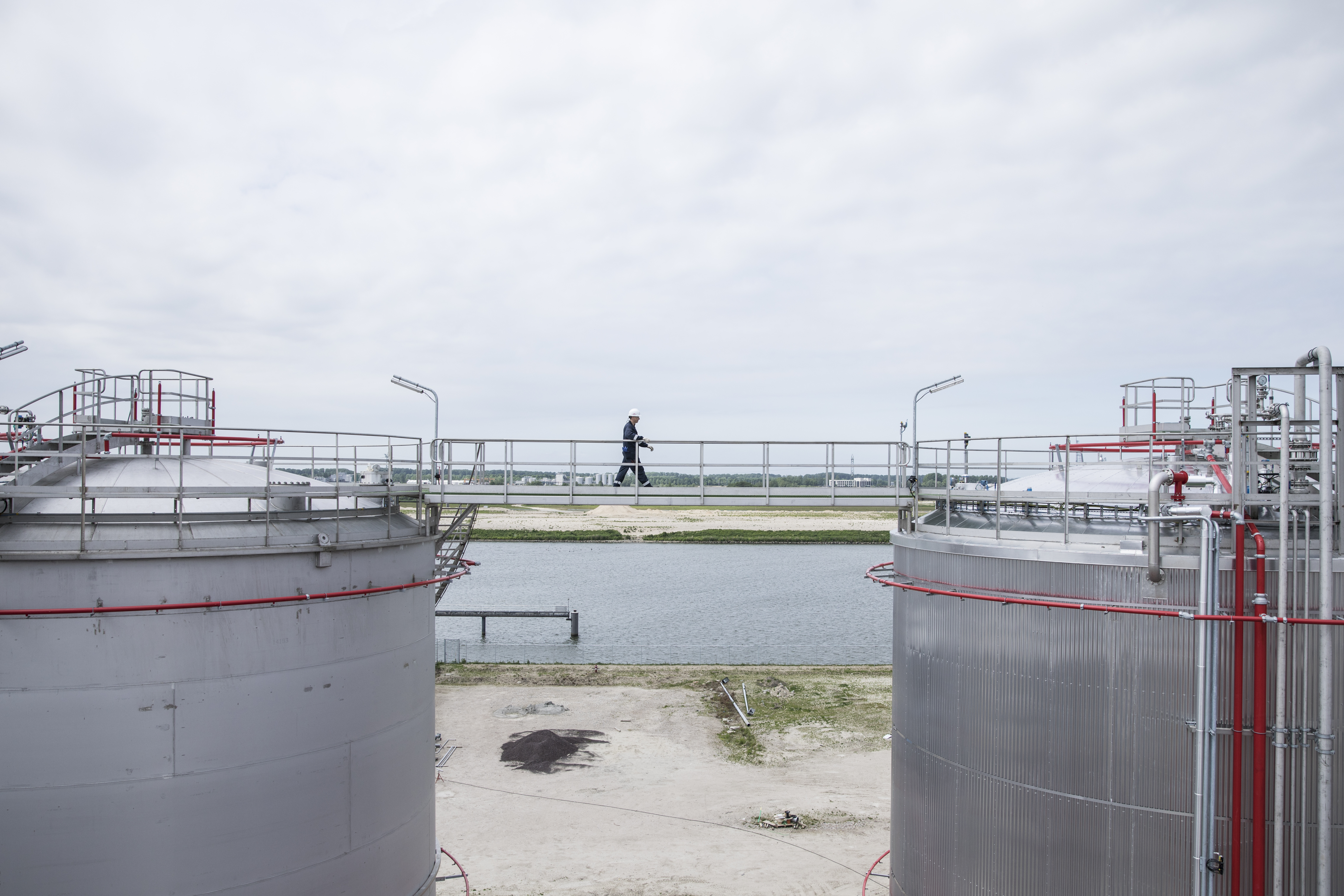
High electricity costs and exposure to increasing price volatility
Limited grid capacity for integrating new operational loads
Need for a safe, non-flammable technology deployable close to port activities
Monetising existing tank assets to support energy transition goals
Safe, scalable storage using repurposed tanks
Kemiwatt solution
Main technical elements
Expected benefits
Case Studie 2 – Port terminal
Long-duration storage for shore power (Powering Auxiliary Engines)
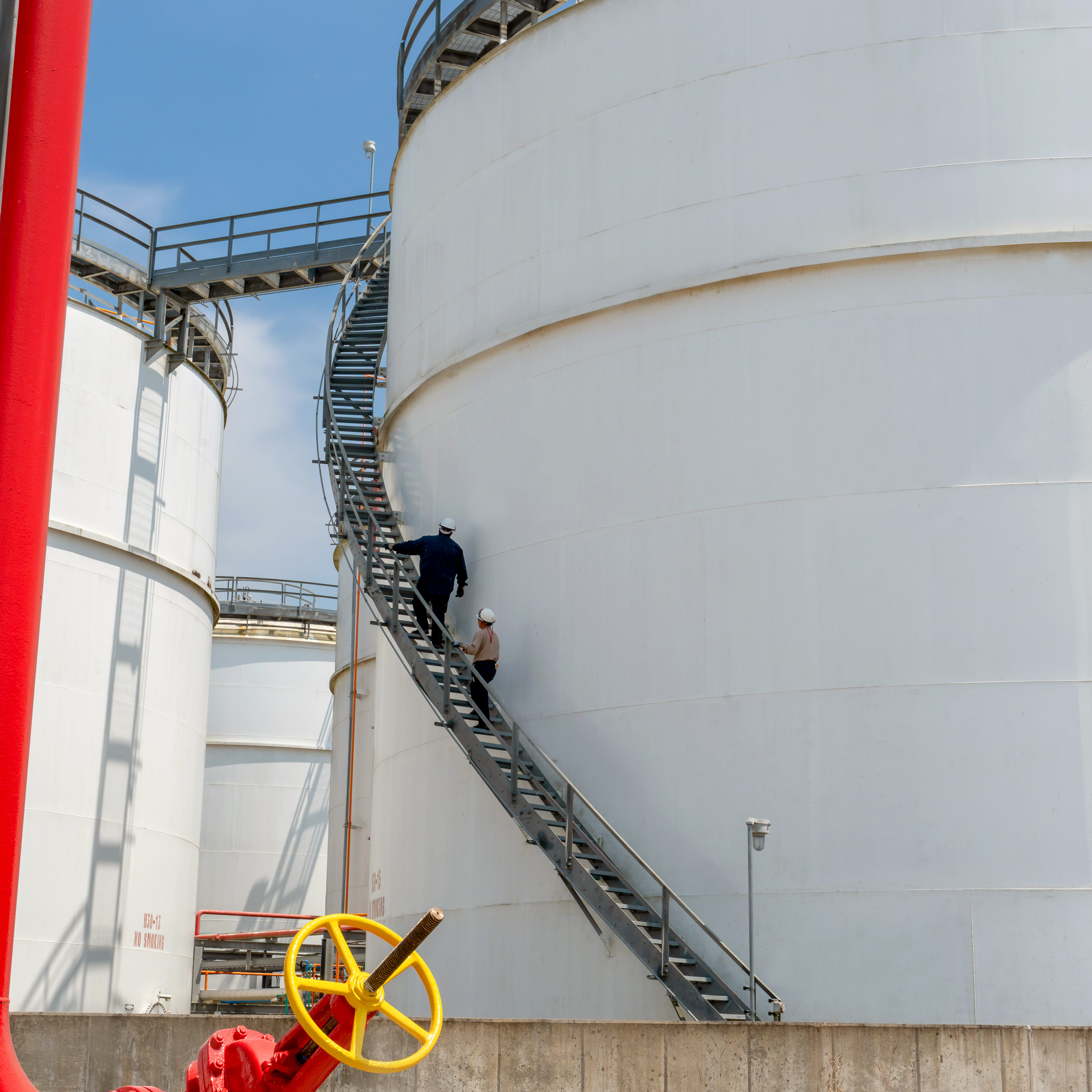
Key challenges in delivering shore power at scale
Challenges
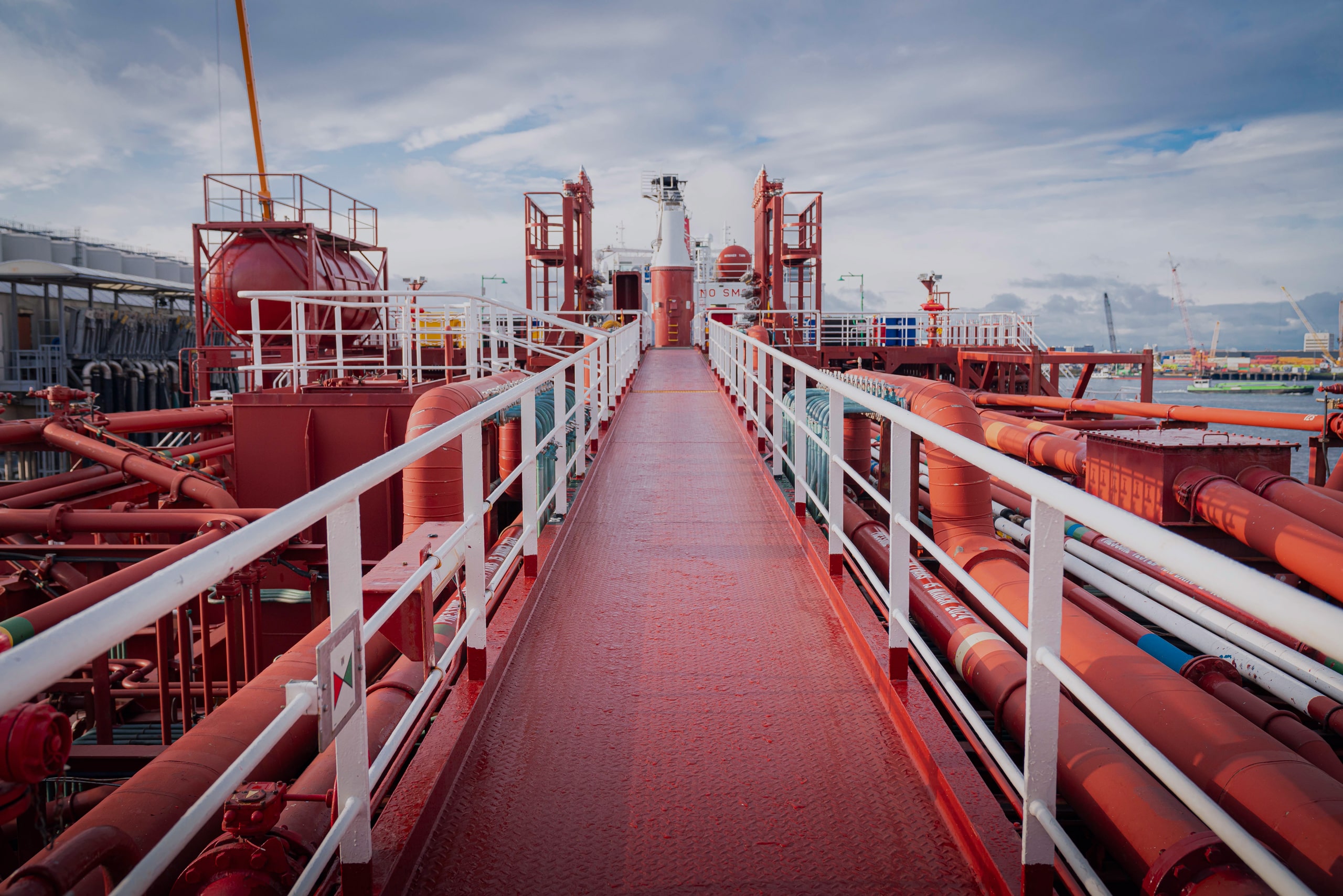
Replacing marine gasoil (MGO) consumption with a cleaner, cost-effective alternative
Providing reliable multi-hour power to ships without overloading the port grid
Ensuring a solution safe to deploy near vessels and fuel handling areas
Offering predictable operational costs independent of fuel market volatility
Long-duration shore power without grid overload
Kemiwatt solution
Main technical elements
Expected benefits
Case Studie 3 – Tank storage operator
Long-duration storage for arbitrage & grid optimisation (Arbitrage / Trading)
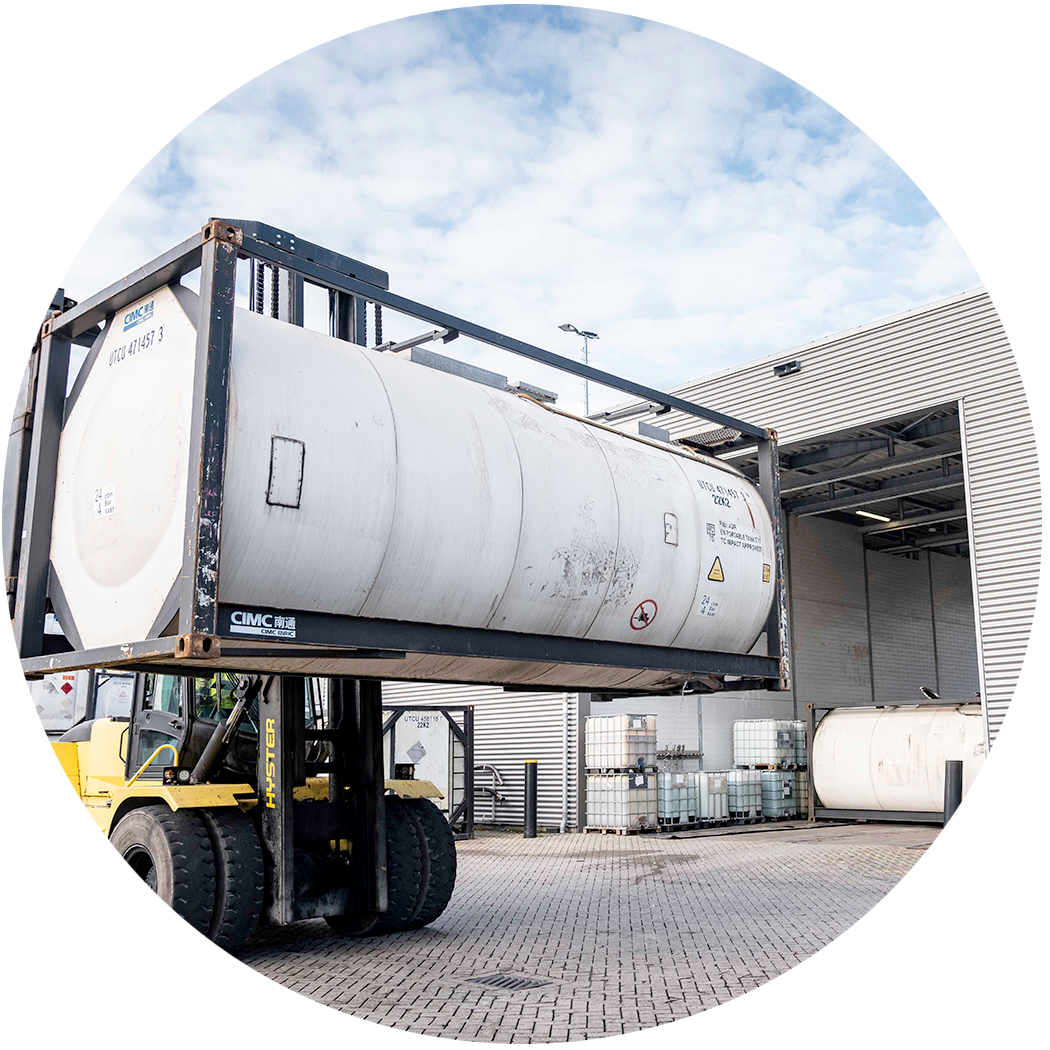
Challenges in monetising energy price volatility
Challenges
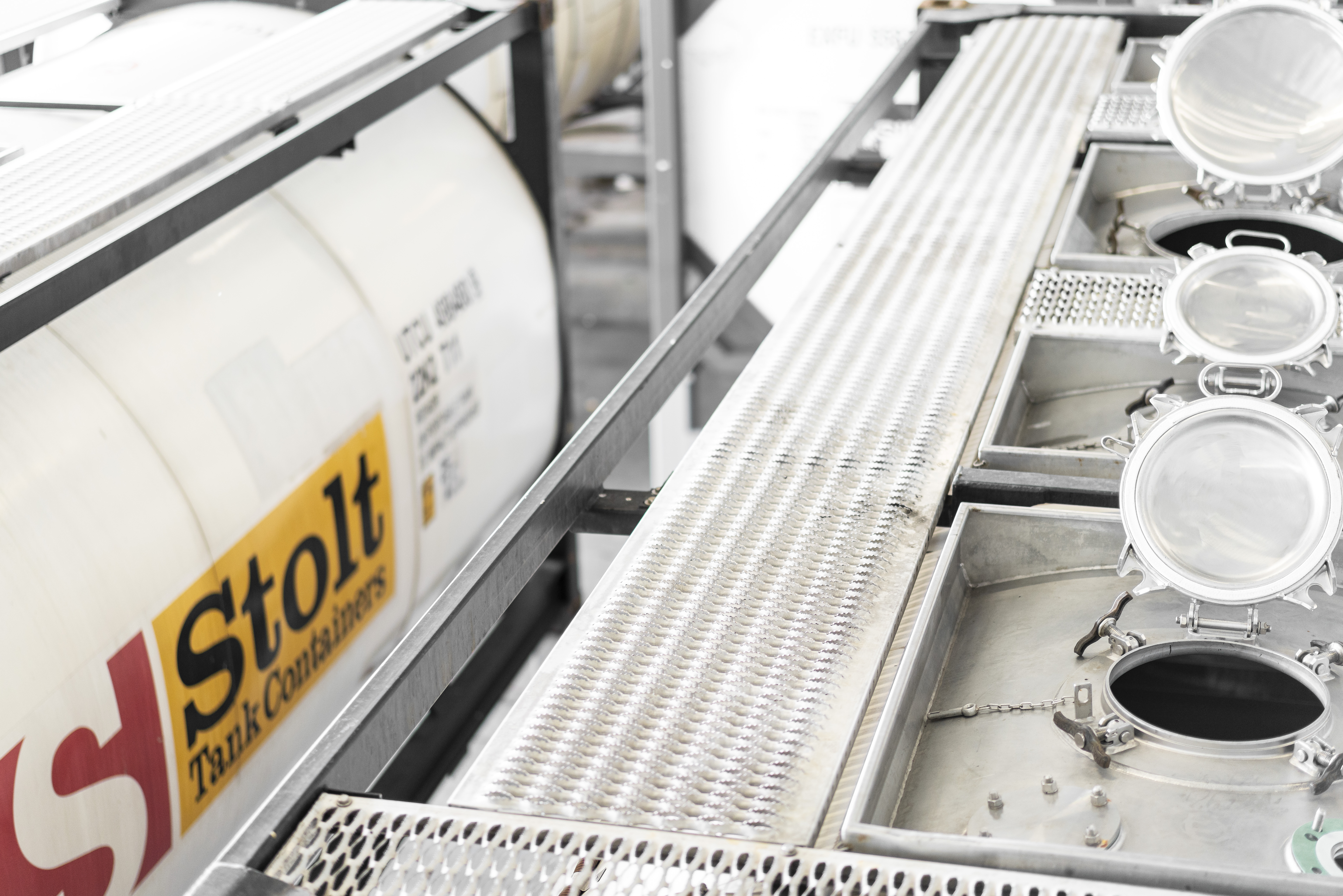
Capturing value from hourly and daily price variations
Deploying a safe technology suitable for a SEVESO-type industrial environment
Minimising CAPEX by re-using existing tanks and infrastructure
Offering grid support without new grid connection upgrades
Monetising price volatility with safe, long-duration storage
Kemiwatt solution
Main technical elements
Expected benefits
Contact us
Any questions or Project? Let’s get started.